
Backyard chickens truly are the gift that keeps on giving. Not only do they provide delicious fresh eggs, but the shells can also become a valuable resource in your garden instead of ending up in the trash.
Eggshells are rich in calcium carbonate, an important nutrient that supports healthy plant growth. While eggshells break down slowly in the soil, finely crushed shells can contribute calcium over time and are a great addition to compost or homemade garden fertilizers.
If you're looking for an easy way to recycle your eggshells and give your tomato plants a little extra love, try this homemade tomato fertilizer recipe.

Homemade Eggshell Tomato Fertilizer Recipe
Ingredients
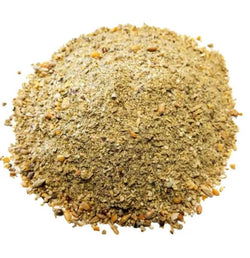
- 2–3 dozen clean, crushed eggshells
- 2 cups bone meal
- ½ cup Epsom salt
- 14 crushed uncoated aspirin tablets (optional)
Why These Ingredients?
Eggshells provide calcium, which helps enrich garden soil over time.
Bone meal is a natural source of phosphorus that supports strong root development and flowering.
Epsom salt contains magnesium, which can benefit plants if your soil is deficient. It isn't necessary for every garden, so consider a soil test before using it regularly.
Aspirin is sometimes included in homemade garden recipes because salicylic acid may stimulate natural plant defenses. Research on its effectiveness in home gardens is mixed, so consider it an optional ingredient rather than a requirement.

How to Prepare Eggshells
Before using eggshells:
- Wash them thoroughly with soap and warm water.
- Allow them to dry completely.
- For faster drying, bake them at 100°F for 2–3 hours, or until brittle.
- Crush them into small pieces or grind them into a powder for quicker breakdown in the soil.
Store the crushed shells in an airtight container until you're ready to mix your fertilizer.
Mix the Fertilizer
Combine all ingredients in a large, dry container and stir thoroughly. Store the mixture in a sealed container in a cool, dry place until planting time.
How to Use Eggshell Fertilizer for Tomatoes
When transplanting tomato seedlings:
- Add about ¼ cup of fertilizer to the bottom of each planting hole.
- Mix it lightly with the surrounding soil before setting the plant in place.
- Bury approximately two-thirds of the tomato stem. Tomatoes develop roots along buried stems, creating stronger root systems and healthier plants.
- Water thoroughly after planting.
- Finish with a layer of mulch to help conserve moisture, suppress weeds, and reduce soil splashing that can spread disease.

How Often Should You Fertilize Tomato Plants?
Feed established tomato plants about every 6 weeks during the growing season.
Sprinkle a small handful of fertilizer around the drip line of the plant (not directly against the stem), then water well.
Remember that healthy tomatoes also depend on:
Consistent wateringPlenty of sunshine (6–8 hours daily)
Rich, well-draining soilRegular mulching
Frequently Asked Questions
Do eggshells prevent blossom-end rot?
Not immediately. Blossom-end rot is usually caused by inconsistent watering or the plant's inability to absorb calcium—not necessarily a lack of calcium in the soil. Since eggshells break down slowly, maintaining even soil moisture is often more important than adding extra calcium.
Can I use eggshells without making fertilizer?
Absolutely! Crushed eggshells can be added directly to compost or worked into garden beds where they'll gradually decompose.
Can I use this fertilizer on other vegetables?
Yes. Peppers, eggplants, squash, and many flowering plants can also benefit from balanced organic nutrients. Just remember that every garden is different, and a soil test is the best way to determine what your plants actually need.
From Coop to Garden
One of the best parts of keeping backyard chickens is discovering new ways to use everything they provide. Eggshells are a simple reminder that what starts in the coop can help nourish the garden.
And when your tomato plants are loaded with juicy, homegrown fruit, don't forget to thank the hardworking hens that helped make it possible


1 comment
Additional knowledge add Value to life & Living, Thanks.
———
My Pet Chicken replied:
We’re so glad you found value in the post and we thank you for the kind words! We believe that the more we learn and share, the more we grow (just like those tomato plants!). Happy gardening and thanks for being part of our MPC family!